
Sofia Coppola and the power of suspended images
If I think of filmmakers who have shaped my visual imagination, Sofia Coppola is undoubtedly one of the first names that comes to mind.
Not simply because of the stories she tells, but because of the way she tells them.
Few directors have built such a recognizable visual language while remaining so intimate, subtle, and emotionally restrained. Sofia Coppola’s cinema exists in a world of suspended emotions, quiet melancholy, beauty, loneliness, and fleeting intimacy. It never raises its voice. It lingers.
And perhaps that’s exactly what makes it so powerful.

A visual language that defined an aesthetic
Some directors are remembered for their plots. Others for their performances.
Sofia Coppola is remembered for atmosphere.
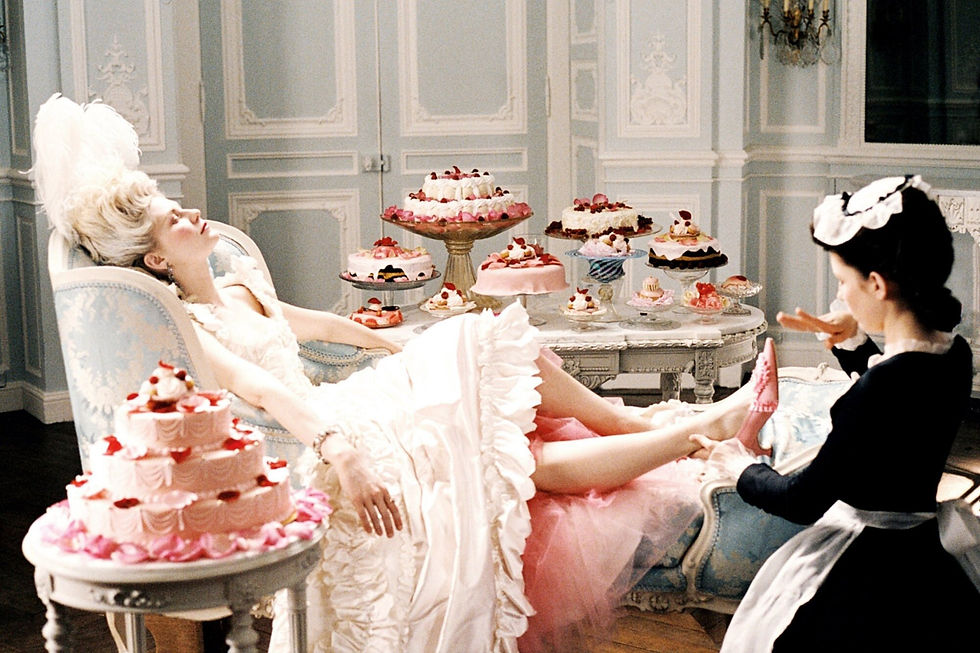
From The Virgin Suicides to Lost in Translation, from the pastel decadence of Marie Antoinette to the elegant stillness of Somewhere, her films have created a visual and emotional grammar that influenced not only cinema, but also fashion, photography, editorial aesthetics, and the way an entire generation relates to image-making.
There’s something instantly recognizable about her world.
Soft light. Silent interiors. Emotional distance. A kind of beauty that never feels merely decorative, but deeply connected to mood and identity.
Her films often feel more like memories than narratives.
And that is a rare gift.
Beyond aesthetics
What has always fascinated me about Sofia Coppola is that her aesthetic is never superficial.
Yes, her visual universe is incredibly refined. But beneath the beauty, there is always emotional tension.
Loneliness. Desire. Disconnection. Fragility. That subtle emptiness that can exist behind glamour, privilege, youth, or fame.
Lost in Translation remains one of the most delicate portrayals of emotional displacement in modern cinema.
Marie Antoinette transformed historical storytelling into something radically contemporary, filtering excess, femininity, and alienation through fashion, music, and visual culture.
Even The Bling Ring, often underestimated, understood something essential about image obsession, aspiration, and performative identity in the social media era.
Her films are less about action and more about emotional states.
She doesn’t simply tell stories.
She creates moods.

A perspective that still feels contemporary
Part of Sofia Coppola’s influence lies in her perspective.
Her films don’t follow the conventional rhythm of mainstream storytelling. They leave space for silence, ambiguity, and emotional fragmentation.
That in itself feels like a quiet form of rebellion.
Her female characters are often complex, vulnerable, misunderstood, trapped inside aesthetically perfect environments that somehow amplify their isolation.
There’s a constant tension between image and reality in her work that feels incredibly contemporary.
Especially now, in an era where identity is continuously curated, filtered, and consumed through screens.
Why she still inspires
We live in a time where images are everywhere.
Fast. Disposable. Often forgettable.
And yet Sofia Coppola reminds us that visual culture can still be intimate.
That an image can carry vulnerability.
That atmosphere can tell a story.
Her influence extends far beyond cinema because she understood something fundamental:
style without emotion is empty.
And emotion without a visual language capable of holding it often fades.
The power of her work lies in the balance between the two.
A lasting reference
For someone like me, deeply interested in image-making and contemporary visual culture, Sofia Coppola remains a constant reference.
Because her cinema proves that softness can be powerful.
That silence can be expressive.
And that a truly personal visual language can become timeless.


Commenti